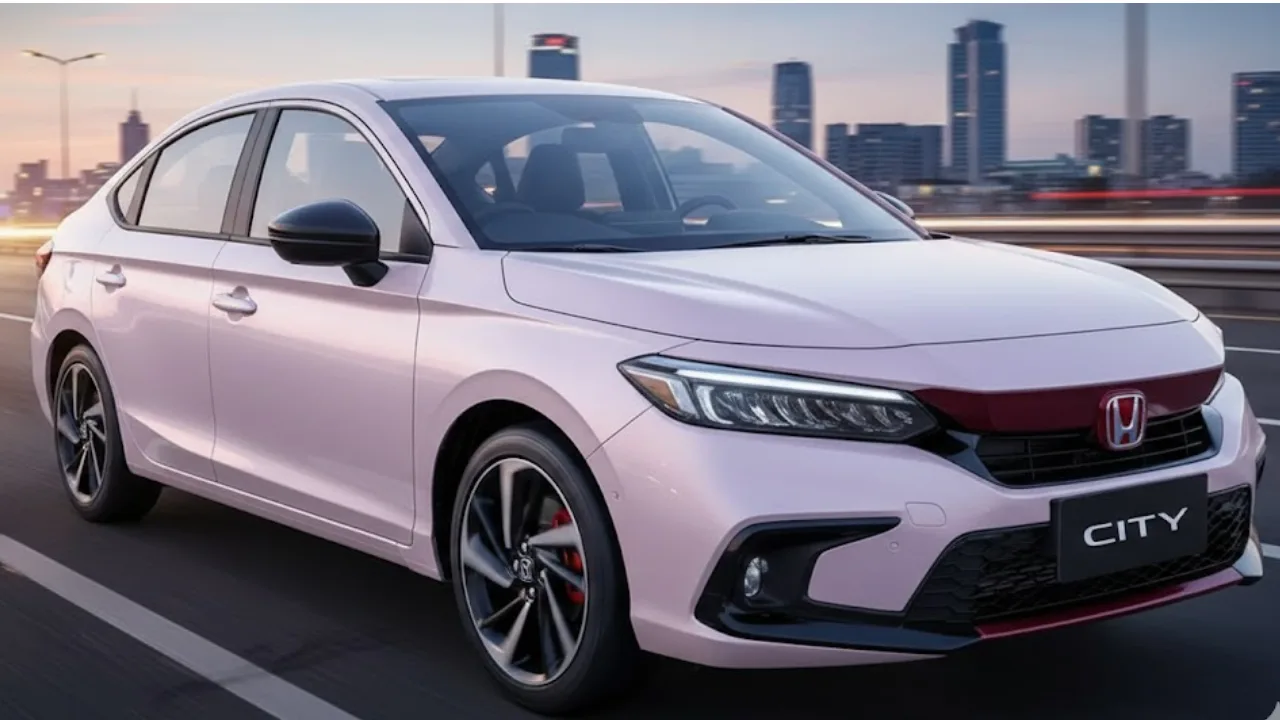
In an era where SUVs dominate headlines, one sedan continues to quietly command respect — the Honda City.
For over two decades, the City has represented:
- Refinement
- Reliability
- Strong resale value
- Smooth petrol performance
- Premium yet practical ownership
Now, in the second half of 2026, Honda Cars India is preparing to launch the 2026 Honda City facelift.
This won’t be a radical transformation.
Instead, it will be a strategic refresh — one designed to keep the City relevant in a market that is increasingly shifting toward SUVs.
Let’s explore what is expected to change, what will remain untouched, and why the 2026 Honda City still deserves serious consideration.
Why the Honda City Still Matters in 2026
Before discussing the facelift, it’s important to understand why the City continues to matter.
Even as SUVs grow rapidly:
- Sedans still offer superior ride comfort.
- Aerodynamics improve highway efficiency.
- Lower center of gravity enhances stability.
- Boot space remains more practical for long trips.
The Honda City has consistently delivered:
- Segment-leading refinement
- Comfortable rear seat space
- Smooth CVT experience
- Trusted i-VTEC engine performance
The 2026 facelift aims to strengthen these core strengths while addressing modern buyer expectations.
2026 Honda City Facelift: Exterior Design Updates
The design refresh will likely be evolutionary rather than revolutionary.
Honda understands that City buyers prefer sophistication over aggressive styling.
Expected Front-End Changes
The facelift may feature:
- Revised front grille design
- Sharper bumper detailing
- Updated LED headlamp signature
- Subtle chrome refinements
There are expectations that styling cues could be inspired by global Honda sedans like the Honda Civic, particularly in grille treatment and lighting graphics.
The goal is to give the City a sharper, more premium presence without altering its identity.
Rear and Side Profile Enhancements
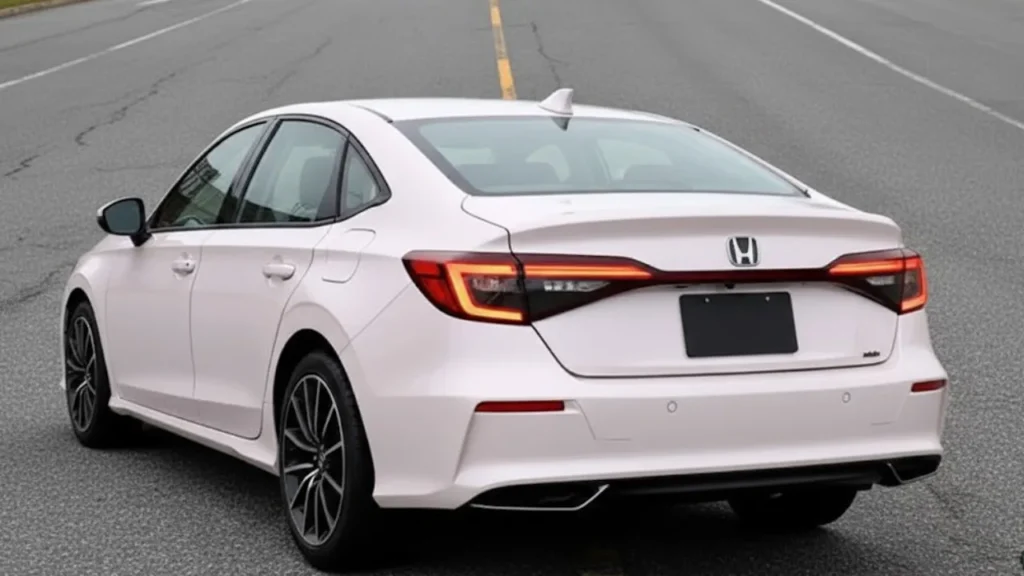
At the rear, changes may include:
- Updated LED tail-lamp signature
- Refreshed bumper detailing
- Slight design tweaks for a cleaner look
New alloy wheel designs are also expected, helping distinguish the facelift from the outgoing model.
The overall silhouette will likely remain unchanged — maintaining the City’s balanced sedan proportions.
Interior Updates: Modernizing Without Overcomplicating
Inside the cabin, Honda is expected to maintain the familiar layout.
However, improvements may include:
- New upholstery options
- Refreshed interior color themes
- Improved soft-touch materials
- Enhanced trim finishes
These subtle upgrades aim to improve perceived premium quality.
Technology and Feature Upgrades
One of the most anticipated additions is:
- 360-degree camera system
This feature is becoming increasingly common even in compact SUVs, and its inclusion would strengthen the City’s value proposition.
Other expected updates:
- Updated infotainment hardware
- Faster touchscreen response
- Wireless Android Auto & Apple CarPlay
- Improved connected car features
Honda is unlikely to overload the cabin with unnecessary gimmicks.
Instead, it will likely focus on useful, everyday features.
Safety: Maintaining Honda’s Strong Reputation
Honda has consistently prioritized safety in the City.
The facelift is expected to continue offering:
- Multiple airbags
- ABS with EBD
- Vehicle Stability Assist
- Hill Start Assist
Depending on variant strategy, Honda may expand advanced safety features in higher trims.
Safety remains one of the City’s strongest selling points.
Engine and Transmission: Proven Mechanical Package Continues
Mechanically, the 2026 Honda City facelift is expected to remain unchanged.
This is intentional.
Honda’s 1.5-litre i-VTEC petrol engine is known for:
- Smooth power delivery
- Linear acceleration
- Long-term reliability
- Low maintenance costs
Petrol Engine Specifications
- 1.5-litre naturally aspirated petrol
- 121 hp
- 145 Nm torque
- 6-speed manual gearbox
- CVT automatic transmission
This engine continues to be one of the smoothest units in the segment.
Honda City e:HEV Hybrid: The Efficiency Champion
Honda will also continue offering the hybrid version — the Honda City e:HEV.
This model is particularly important under tightening emission norms.
Hybrid Powertrain Overview
- 1.5-litre Atkinson-cycle petrol engine
- Dual electric motor setup
- e-CVT transmission
- Combined output: 126 hp
The hybrid system offers:
- Excellent fuel efficiency
- Silent electric-only city driving at low speeds
- Seamless power transitions
In urban traffic conditions, the hybrid offers a clear advantage over conventional petrol engines.
Expected Price Range (Ex-Showroom India)
The 2026 Honda City facelift is expected to maintain competitive pricing:
- Petrol manual variants: Around ₹11.95 lakh
- Top petrol automatic variants: Around ₹16.07 lakh
- City e:HEV hybrid: Around ₹19.48 lakh
Pricing will be crucial in maintaining competitiveness against mid-size SUVs.
Who Should Consider the 2026 Honda City?
Choose the City If You:
- Prefer sedans over SUVs
- Want better highway stability
- Value smooth petrol engines
- Drive long distances regularly
- Prioritize comfort and refinement
Choose the Hybrid If You:
- Drive mostly in city traffic
- Want high fuel efficiency
- Prefer quieter low-speed operation
- Are future-focused but not ready for full EV
The City continues to serve practical buyers rather than trend followers.
Can a Sedan Still Survive in an SUV Market?
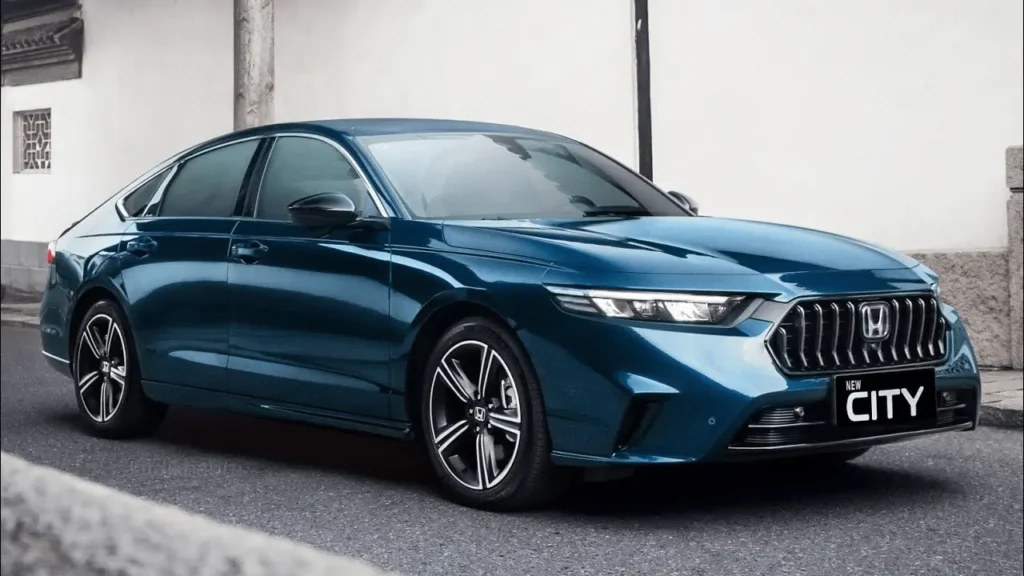
This is the big question.
SUVs dominate due to:
- High seating position
- Aggressive styling
- Feature-loaded marketing
But sedans still offer:
- Better aerodynamics
- Lower body roll
- More planted highway behavior
- Often better fuel efficiency
The Honda City’s survival strategy is simple:
Do what it has always done — better than most.
Competitive Landscape in 2026
The mid-size sedan segment may be smaller than before, but it remains relevant.
Buyers in this segment prioritize:
- Reliability
- Comfort
- Long-term ownership value
- Brand trust
Honda’s strong resale value and service network continue to support the City’s position.
Why the 2026 Honda City Facelift Is Important for Honda
Honda’s India portfolio is relatively compact.
The City remains:
- A brand pillar
- A volume contributor
- A technology showcase (hybrid)
Refreshing it ensures:
- Continued relevance
- Strong brand recall
- Stable dealership footfall
The facelift is not about dramatic reinvention.
It is about strategic longevity.
Final Verdict: Evolution Over Experimentation
The 2026 Honda City facelift may not grab headlines like new SUVs.
But it doesn’t need to.
It represents:
- Consistency
- Reliability
- Measured modernization
By keeping the trusted mechanical package intact while enhancing design and features, Honda is ensuring that the City remains a sensible, premium sedan choice in 2026.
In a market obsessed with height and bulk, the City continues to offer balance and refinement.
And for many buyers, that still matters more than trends.
Test Drive:
Also Read: