
India’s automobile industry may soon face its biggest regulatory shift since the implementation of Bharat Stage 6 Emission Standards in 2020.
Now, discussions around Bharat Stage 7 Emission Standards are gaining momentum, and if implemented, these rules could significantly reshape the BS7 Emission norms in Indian car market.
For many years, diesel vehicles have dominated the SUV segment due to their strong torque, fuel efficiency, and long-distance capability. But stricter emission regulations could make diesel engines far more expensive and complex to manufacture.
If BS7 norms become reality, the impact could be massive — affecting vehicle prices, engine choices, and even the survival of diesel cars in India.
Let’s understand what BS7 emission norms in India mean and why they could change the future of diesel vehicles.
What Are BS7 Emission Norms In India?
The Bharat Stage emission standards are government regulations that control how much pollution vehicles are allowed to produce.
India currently follows BS6 emission standards, which were introduced in April 2020 to reduce harmful pollutants from vehicles.
The proposed BS7 norms are expected to be even stricter and may closely align with global regulations like Euro 7 Emission Standard.
The biggest difference?
BS7 may focus heavily on real-world emissions instead of just laboratory testing.
This means vehicles will need to maintain low pollution levels not only during certification tests but throughout their actual usage on the road.
BS6 vs BS7: What Could Change?
Here is a simplified comparison between the current BS6 rules and the proposed BS7 norms.
| Feature | BS6 Norms | Possible BS7 Norms |
|---|---|---|
| Testing Method | Lab-based emission testing | Real-world emission monitoring |
| Monitoring | Limited onboard monitoring | Continuous emission tracking |
| NOx Limits | Strict but manageable | Much stricter limits |
| Vehicle Lifespan Compliance | Certification-based | Lifetime compliance monitoring |
| Non-exhaust Emissions | Not regulated | Tyre & brake dust emissions regulated |
If these proposals become official, vehicles will need far more advanced emission-control systems.
Real-World Emission Monitoring: The Biggest Change
One of the most significant aspects of BS7 could be advanced on-board emission monitoring systems.
These systems may:
- Continuously monitor emissions during driving
- Detect deterioration in emission-control components
- Ensure long-term compliance with pollution limits
- Allow regulators to monitor real-world vehicle pollution
For automakers, this means they will need much more sophisticated engines and exhaust systems.
For diesel engines, this presents a serious challenge.
Why Diesel Engines Could Be Hit the Hardest
Diesel engines naturally produce higher Nitrogen Oxides (NOx) and particulate matter compared to petrol engines.
Under BS7 norms, the allowed NOx limits could become significantly stricter, making compliance more expensive.
To meet these limits, diesel cars may require:
- Advanced Selective Catalytic Reduction (SCR) systems
- Additional particulate filters
- More sensors and control units
- Complex emission management software
All these components increase manufacturing costs.
For premium vehicles, manufacturers may absorb the cost.
But in mass-market cars, diesel engines could become too expensive to justify.
Popular Diesel SUVs That Could Be Affected

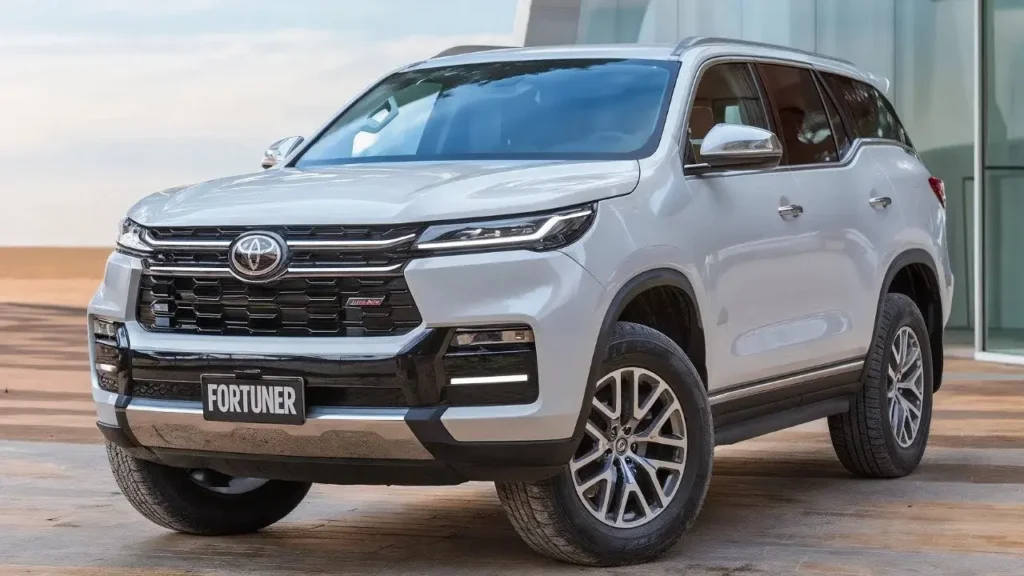
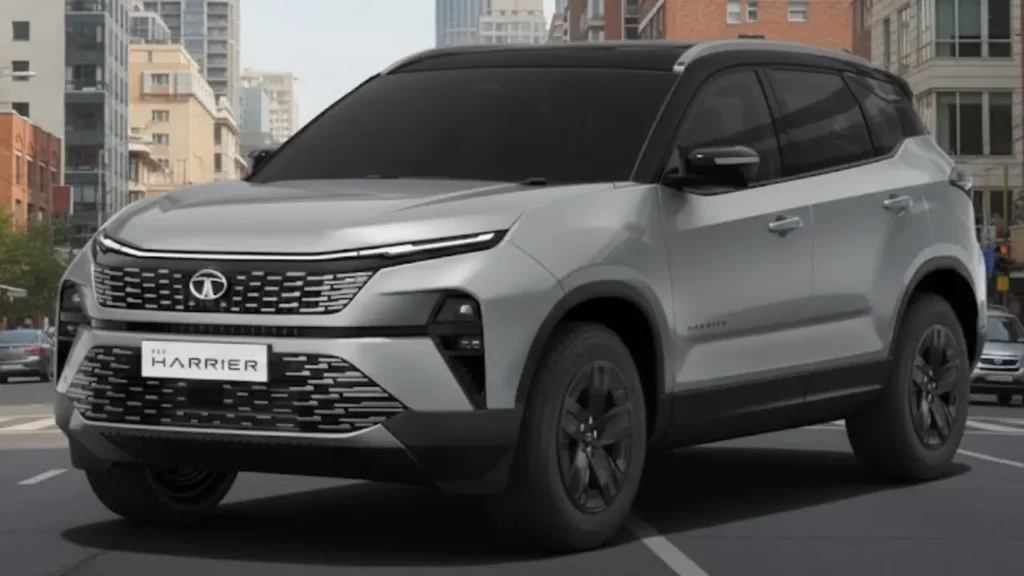
If BS7 norms are implemented strictly, several popular diesel SUVs may need significant upgrades.
Some examples include:
- Toyota Fortuner
- Tata Harrier
- Mahindra Scorpio N
- Hyundai Creta
These vehicles rely heavily on diesel engines for performance and efficiency.
Upgrading them for BS7 compliance may increase prices or lead manufacturers to reduce diesel variants.
Why Automakers Are Concerned
Automakers are already investing billions into:
- Electric vehicles
- Hybrid powertrains
- Alternative fuels
Introducing BS7 norms too quickly could force companies to rethink diesel development completely.
For smaller diesel engines used in compact SUVs and sedans, the cost of compliance may exceed the profit margin.
As a result, manufacturers may gradually shift toward:
- Petrol engines
- Strong hybrid technology
- Electric vehicles
This transition has already started in many global markets.
Possible Timeline for BS7 Implementation
At the moment, the government has not officially announced BS7 norms.
However, discussions have intensified after statements from Nitin Gadkari, who has repeatedly encouraged automakers to prepare for stricter emission standards.
Industry expectations suggest:
- A phased rollout rather than an immediate nationwide implementation
- Initial adoption in major cities with severe pollution levels
- A transition period allowing manufacturers time to upgrade vehicles
The timeline could potentially fall between 2027 and 2030, though this remains speculative.
What This Means for Car Buyers
For consumers planning to buy a car in the next few years, BS7 norms could influence purchasing decisions.
Possible impacts include:
- Fewer diesel options in showrooms
- Higher prices for diesel vehicles
- Faster adoption of hybrid and electric cars
- Greater uncertainty about diesel resale value
However, it is important to remember that BS6 diesel cars remain fully legal and compliant today.
So buyers should not panic — but they should stay informed.
The Bigger Shift: Petrol, Hybrid, or Electric?
The future of the Indian car market is gradually shifting toward cleaner technologies.
Automakers are investing heavily in:
- Hybrid SUVs
- Electric vehicles
- Flexible fuel engines
If BS7 norms arrive, this transition may accelerate even faster.
SUV buyers who traditionally preferred diesel may start considering hybrid SUVs or electric alternatives instead.
Final Verdict
BS7 emission norms are not yet official, but their potential impact on the automobile industry is already generating serious discussion.
If implemented in their strictest form, these regulations could:
- Increase vehicle prices
- Reduce diesel options in the market
- Accelerate the shift toward electrification
For now, diesel cars continue to operate under BS6 regulations, and there is no immediate ban.
But the future of diesel in India is becoming increasingly uncertain.
One thing is clear:
The next decade could redefine how Indians choose their cars.
For more details Download Emission Norms
Also Read: