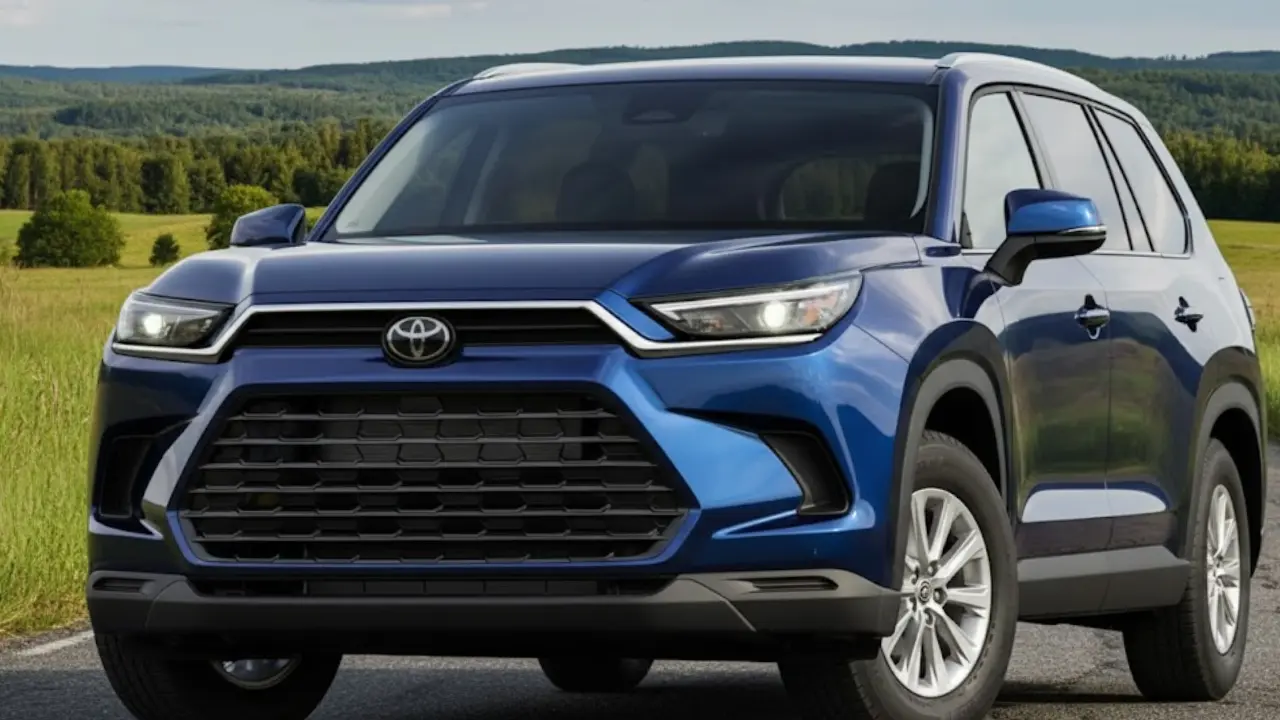
The Toyota Urban Cruiser Hyryder is not getting replaced.
It’s getting refined — strategically.
Toyota is preparing the Toyota Hyryder Facelift 2026, and this update isn’t about flashy redesigns or radical changes. Instead, it’s about addressing what buyers actually complained about — interior experience, feature gaps, and practicality concerns — while keeping its biggest strength untouched: the strong hybrid powertrain.
This is not reinvention.
This is precision improvement.
Let’s break down everything expected from the 2026 Toyota Hyryder facelift.
Why the Hyryder Needed a Facelift
When the Hyryder launched, it made headlines for one major reason:
Strong hybrid efficiency.
It immediately stood out in the segment by offering:
- Self-charging hybrid technology
- Excellent real-world mileage
- Silent EV-like city driving
- Toyota reliability
However, early buyers pointed out a few weaknesses:
- Interior felt slightly less premium than rivals
- Feature list lagged behind competition
- Boot space compromised in CNG variants
- Tech interface needed refinement
Toyota listened.
And the 2026 facelift is clearly a response to customer feedback.
Exterior Changes: Subtle But Noticeable
Toyota understands that the Hyryder’s design is already widely accepted.
So don’t expect dramatic redesigns.
Expected Exterior Updates
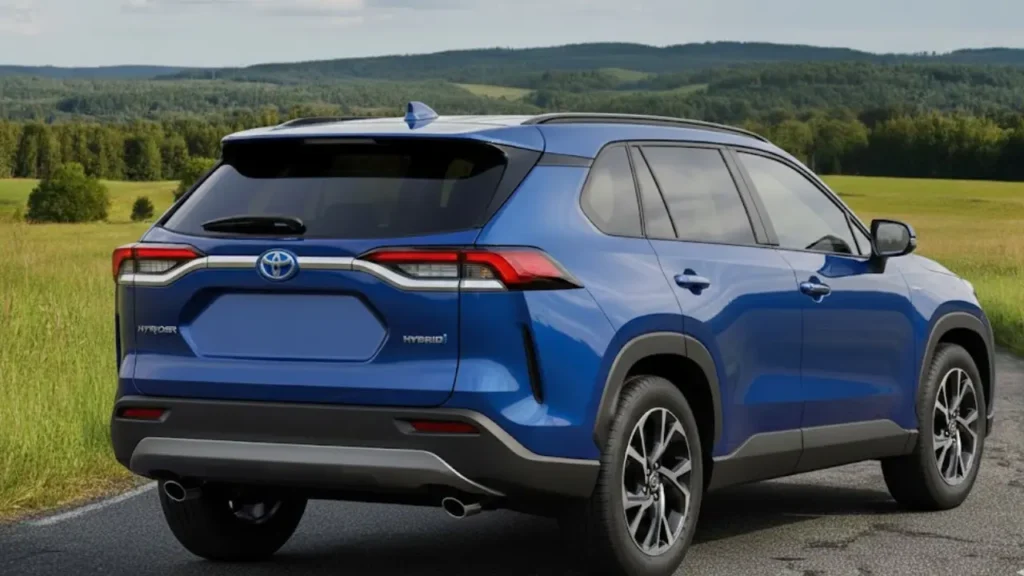
- New alloy wheel designs
- Slightly revised front bumper
- Tweaked rear bumper styling
- Minor grille refinements
- Updated LED lighting signature
These changes aim to keep the SUV looking fresh without disturbing its mass-market appeal.
The facelift will look sharper — but familiar.
Interior Upgrades: The Real Transformation
If there’s one area where the Toyota Hyryder facelift 2026 truly matters, it’s the cabin.
This is where Toyota is focusing the most.
Improved Infotainment & Digital Display
Expected upgrades include:
- Larger, updated infotainment system
- Enhanced digital instrument cluster
- Faster software response
- Improved user interface
Toyota is likely enhancing connectivity features to match rising buyer expectations.
OTA (Over-The-Air) update capability may become more advanced.
Comfort Features Buyers Demanded
Toyota has already started introducing some upgrades in late 2025 variants.
The 2026 facelift will likely standardize and expand them.
Expected additions:
- 8-way power-adjustable driver seat
- Ventilated front seats
- Wireless phone charging
- Rear door sunshades
- USB Type-C ports (front and rear)
- Air Quality Index (AQI) display
These upgrades significantly improve daily usability.
The cabin is expected to feel less “functional” and more “premium urban SUV.”
Safety: Already Strong, Now Even Better
Toyota made a bold move earlier by offering:
Standard 6 airbags across variants.
That decision strengthened the Hyryder’s safety image significantly.
Expected Safety Highlights
- 6 airbags standard
- Electronic Stability Control
- Hill Hold Assist
- ABS with EBD
- ISOFIX mounts
- Strong structural integrity
There are also reports that Toyota is evaluating limited ADAS integration in higher trims.
Even without full Level 2 ADAS, the Hyryder already ranks among the safer SUVs in its price bracket.
Powertrains: No Major Changes (And That’s Smart)
Toyota knows the hybrid system is the Hyryder’s biggest differentiator.
So the 2026 facelift will retain its core engine lineup.
1.5L Strong Hybrid (3-Cylinder)
This remains the star.
Key benefits:
- Excellent real-world mileage
- EV-only driving at low speeds
- Seamless engine-electric transitions
- Self-charging system
The strong hybrid setup is what allows the Hyryder to compete directly with SUVs like the Maruti Suzuki Grand Vitara.
Fuel efficiency remains a massive selling point.
1.5L Mild Hybrid (4-Cylinder)
For buyers who prefer simpler tech:
- Naturally aspirated engine
- Manual and automatic options
- AWD availability
The AWD option is especially rare in this segment and gives the Hyryder a unique edge.
CNG Variant: The Big Practicality Fix
One of the most consistent complaints about the Hyryder CNG version was:
Reduced boot space due to the cylinder placement.
Toyota is reportedly exploring an underbody CNG tank configuration.
If implemented, this could:
- Restore usable boot capacity
- Improve practicality
- Attract more family buyers
This single update could significantly boost CNG demand.
Why the Hybrid Advantage Still Matters in 2026
Fuel prices remain unpredictable.
Diesel options are gradually reducing.
EV infrastructure is improving but not yet universal.
The Hyryder sits in the perfect middle ground.
It delivers:
- Diesel-like efficiency
- Petrol-like refinement
- No charging anxiety
- Lower emissions
That balanced formula is exactly why Toyota is not altering the hybrid system.
Competition: Watching the Grand Vitara Closely
The Hyryder shares its platform and hybrid technology roots with the Maruti Suzuki Grand Vitara.
However, Toyota positions the Hyryder slightly differently:
- More premium perception
- Toyota reliability image
- Strong hybrid emphasis
- Standard safety advantage
Meanwhile, competitors like the Hyundai Creta and Kia Seltos offer strong petrol and turbo options but lack full strong-hybrid efficiency.
Toyota’s strategy is clear:
Own the hybrid space aggressively.
Ride Quality & Driving Experience
The Hyryder has always been comfort-oriented.
The facelift is expected to:
- Improve suspension tuning
- Enhance NVH insulation
- Refine hybrid transitions further
City driving will remain:
- Smooth
- Silent
- Effortless
Highway stability is also expected to see marginal improvements.
Expected Launch Timeline
Toyota has already rolled out incremental updates during 2025.
The full structured facelift is expected in 2026.
Production will continue in India with heavy localization to maintain competitive pricing.
Expected Price Impact
With added features and tech upgrades, a slight price increase is likely.
Estimated pricing may see:
- ₹30,000–₹60,000 increase depending on variant
However, added value in terms of comfort and practicality could justify this bump.
Who Should Consider the Toyota Hyryder Facelift 2026?
The facelifted Hyryder makes strong sense for buyers who:
- Drive primarily in cities
- Want excellent fuel efficiency
- Prefer Toyota reliability
- Don’t want EV charging hassle
- Value safety as a priority
It may not suit buyers who:
- Want turbo-petrol performance
- Seek hardcore off-road capability
- Prefer manual-only setups
Why This Facelift Matters More Than It Looks
On paper, the updates may seem small.
But strategically, they are powerful.
Toyota is:
- Fixing feature gaps
- Improving perceived value
- Enhancing practicality
- Strengthening safety positioning
Without disturbing the hybrid advantage.
That’s smart product evolution.
My Thoughts:
The Toyota is one of the dominating car brand in Indian market. From its dominating cars one is Toyota Fortuner which is rugged car for off roading. They also focus on comfort and technology driven features in the car which makes them more dominating car brand in Indian market one of those car is Toyota Urban Cruiser Hyryder which is very soomth to drive and delivers a good power with a enough boot space to carry your luggage for long road trips.
Although I have not driven this car but I reviewed some of the owner of the car from foreign through online medium’s to know the experience of the car. You can also read the official news on Toyota Official Website.
Final Verdict: A Smarter, More Complete Hyryder
The Toyota Hyryder Facelift 2026 is not about dramatic transformation.
It’s about precision correction.
Toyota identified what buyers wanted:
- Better interior feel
- More comfort features
- Improved practicality
- Modern tech upgrades
And it is delivering exactly that.
The strong hybrid remains untouched — and that’s the biggest win.
If Toyota prices it smartly, the facelifted Hyryder could strengthen its position as:
One of the most practical and fuel-efficient SUVs under ₹20 lakh in India.
Sometimes, refinement is more powerful than reinvention.
And the 2026 Hyryder facelift proves that.
Also Read: