
BS7 Emission Norms Could Reshape India’s Diesel Car Market — And Buyer Decisions
India’s automobile industry may soon face its biggest disruption since BS6, and this time, diesel cars are at the center of the storm.
The proposed Bharat Stage 7 (BS7) emission norms, though not officially notified yet, are already creating anxiety among carmakers, dealers, and buyers alike. With air pollution becoming a recurring national concern—especially during winter months—regulators are under pressure to introduce stricter, globally aligned emission rules.
If implemented, BS7 could fundamentally change what cars Indians buy, how much they cost, and whether diesel survives at all.
What Are BS7 Emission Norms — And Why Are They So Serious?
India currently follows BS6 emission standards, introduced in April 2020. BS6 was a massive leap, but BS7 would go even further, closely mirroring global regulations like Euro 7.
The biggest shift?
👉 Focus on real-world emissions, not just lab testing.
Unlike BS6, where vehicles are tested under controlled conditions, BS7 is expected to monitor how much pollution a car produces during actual driving, over its entire lifespan.
Real-Time Emission Monitoring: A Game-Changer
One of the most talked-about BS7 proposals is the introduction of an advanced on-board emission monitoring system.
This system could:
- Continuously track emissions during daily use
- Detect long-term deterioration in emission control systems
- Allow authorities to ensure compliance beyond showroom certification
For manufacturers, this means zero room for shortcuts.
For diesel engines, it’s a serious warning sign.
Diesel Engines Face the Maximum Heat
Industry experts agree on one thing:
👉 Diesel engines will be hit the hardest under BS7.
Why diesel is under pressure:
- Much stricter Nitrogen Oxide (NOx) limits
- Possible alignment of diesel NOx limits with petrol engines
- Regulation of non-exhaust emissions (tyres and brake dust) — a first for India
To comply, diesel cars may require:
- More complex exhaust after-treatment systems
- Additional sensors and control hardware
- Higher R&D and manufacturing costs
For older diesel platforms, upgrading may simply not make financial sense.
Will Diesel Cars Become Too Expensive to Survive?
This is the question haunting automakers.
In price-sensitive segments, higher compliance costs could:
- Push diesel car prices sharply upward
- Reduce profit margins
- Make petrol, hybrid, or EVs far more attractive
As a result, manufacturers may quietly phase out diesel engines from mass-market passenger vehicles.
Popular Diesel SUVs Could Be at Risk
Several well-known diesel SUVs are expected to face challenges if BS7 norms are implemented strictly.
🚗 Toyota Fortuner

- Large-capacity diesel engine
- Likely to require significant upgrades
- Could see higher prices or limited variants
🚙 Tata Harrier
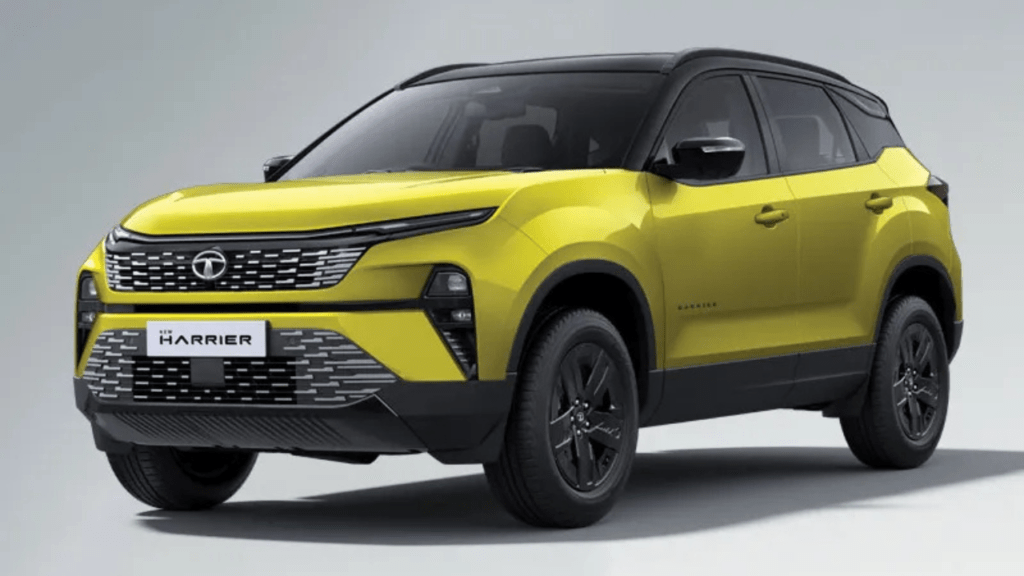
- Licensed diesel platform
- Engineering flexibility exists, but costs may rise
- Future powertrain mix could change
Across the SUV and utility vehicle market, companies may increasingly pivot toward petrol, strong-hybrid, or electric options to avoid regulatory risk.
Possible Timeline: When Could BS7 Become Reality?
In 2023, Union Minister Nitin Gadkari publicly urged automakers to prepare for tighter, globally aligned emission standards to reduce health and environmental risks.
However:
- No official BS7 notification yet
- No confirmed implementation date
- No final technical roadmap announced
Most experts expect:
- A phased rollout, starting in major cities
- Gradual nationwide expansion
- Sufficient lead time for manufacturers—but not indefinite delays
What This Means for Car Buyers
If BS7 norms are introduced:
- 🚫 Fewer diesel options in showrooms
- 💰 Higher vehicle prices, especially for diesel SUVs
- ⚡ Faster shift toward hybrids and EVs
- 🤔 Increased hesitation among diesel buyers
For now, diesel remains legal and compliant under BS6.
But the uncertainty alone is already influencing buying decisions.
Final Word: Diesel’s Future Looks Uncertain
BS7 emission norms may not be official yet—but their shadow is already reshaping India’s auto industry.
For manufacturers, it’s a strategic crossroads.
For buyers, it’s a moment to think long-term before choosing diesel.
Until the government releases a formal notification, the exact scope of BS7 remains unclear. But one thing is evident:
👉 The age of diesel dominance in India may be approaching its toughest test yet.
Also Read:
- Tata Motors Makes History in Q3 FY2026: Record Sales
- JSW MG Motor India’s Electric Breakthrough: 19% Growth in 2025
Follow Us On