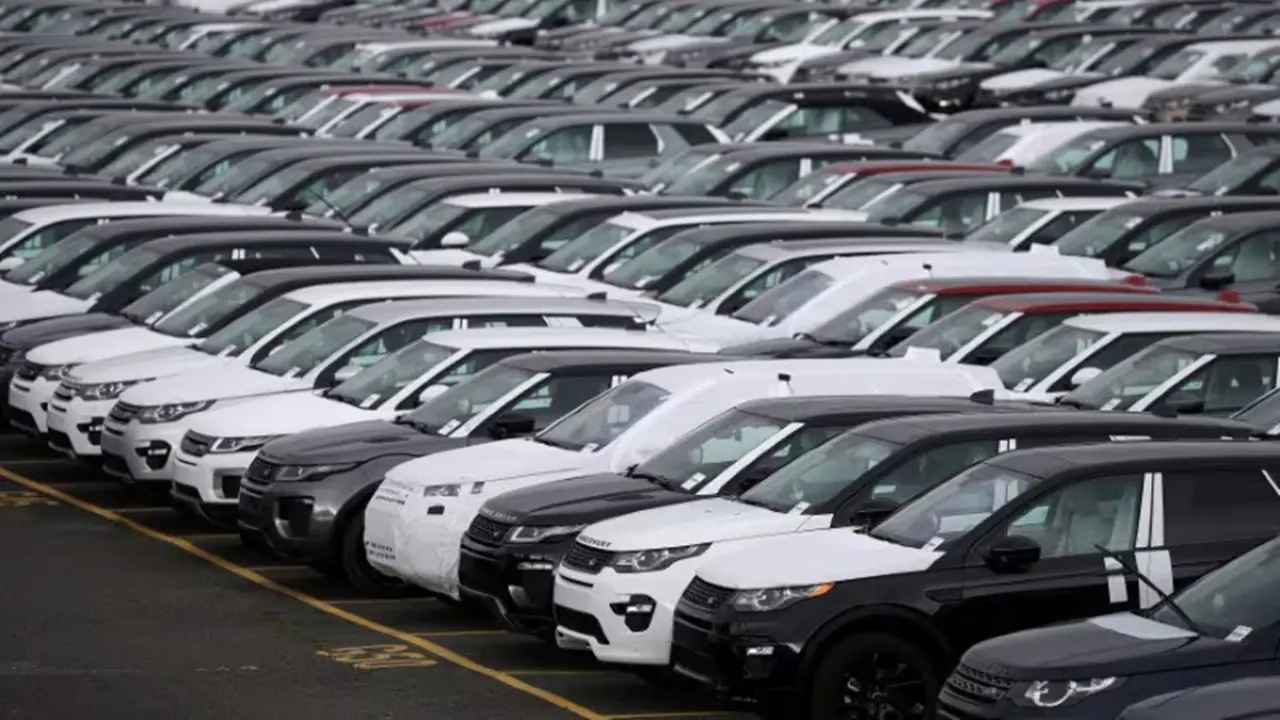
India Car Sales Q4 FY2026: Can the Industry Achieve 8% Growth and 4.73 Million Units?
India’s passenger vehicle industry is standing at a historic turning point.
FY2026 was expected to be a celebratory year — a milestone that would push total car sales to 4.73 million units, reflecting nearly 8% year-on-year growth. For much of the year, that ambition looked achievable.
But December 2025 slowed the momentum.
What was meant to be a victory lap turned into a reminder that growth in India’s auto sector is never guaranteed.
Now, all eyes are on Q4 FY2026 (January–March 2026) — the final quarter that could decide whether the industry achieves its biggest milestone ever or falls short at the last moment.
Let’s break down the full picture.
India Car Sales Q4 FY2026 is 4.73 Million Targeted: Why It Matters So Much
Reaching 4.73 million passenger vehicle sales in a single financial year would not just be another number.
It would represent:
- Strong post-pandemic recovery
- Rising middle-class aspirations
- Growing preference for personal mobility
- Stability in India’s macroeconomic environment
- Increasing premiumization in car buying
India has steadily emerged as one of the fastest-growing auto markets globally. With manufacturers like Maruti Suzuki India, Hyundai Motor India, Tata Motors, and Mahindra & Mahindra expanding aggressively, FY2026 was projected to break all previous records.
However, ambitious targets leave no room for complacency.
December 2025: The Warning Bell
December is typically a month of heavy discounts and year-end clearances. While volumes remained respectable, the growth rate slowed compared to expectations.
Concerns that emerged:
- Softening retail momentum in urban markets
- Cautious consumer spending
- Inventory buildup at dealerships
- Decline in entry-level car demand
This slowdown forced analysts to re-evaluate whether the 8% annual growth target is realistic.
And that’s where Q4 becomes critical.
Why Q4 FY2026 Will Decide Everything
January to March is traditionally one of the strongest quarters for car sales in India.
Key Reasons Q4 Is Crucial:
- Year-end buying sentiment
- Tax planning purchases
- Harvest season boosting rural liquidity
- New model launches and facelifts
- Heavy discounting to clear inventory
If Q4 performs strongly, the industry can comfortably reach 4.73 million units.
If it disappoints, FY2026 may end as a “near record” instead of a historic breakthrough.
There is very little margin for error.
What Is Driving Optimism in FY2026?
Despite December’s moderation, industry leaders remain cautiously optimistic.
Several macro and micro factors support growth.
1. SUV Dominance Continues
SUVs now account for more than half of India’s passenger vehicle sales.
Compact and mid-size SUVs remain in high demand, with consumers preferring:
- Higher ground clearance
- Road presence
- Premium design
- Better perceived safety
Models from Maruti Suzuki India, Hyundai Motor India, and Tata Motors continue to drive volume growth.
SUV demand is unlikely to slow in Q4.
2. Rural Demand Recovery
Rural markets contribute significantly to overall sales.
Encouraging signs include:
- Stable farm incomes
- Improved monsoon performance
- Government rural spending
- Better credit availability
Post-harvest months typically boost purchasing power, and Q4 could benefit from that rural push.
3. Premiumization Trend
Indian consumers are upgrading faster than before.
Instead of entry-level hatchbacks, buyers are choosing:
- Compact SUVs
- Feature-loaded variants
- Automatic transmissions
- Sunroof-equipped trims
Higher-ticket purchases help increase overall industry revenue even if unit growth moderates.
4. Growing Acceptance of CNG and EVs
Alternative fuel vehicles are gaining traction.
Electric models from Tata Motors and CNG offerings from Maruti Suzuki India are expanding market reach.
Rising fuel prices are pushing consumers toward:
- CNG vehicles for cost savings
- EVs for urban commuting
- Hybrid technology for balanced efficiency
These segments could significantly support Q4 numbers.
The Challenges That Could Derail Growth
Optimism alone doesn’t guarantee success.
There are real headwinds facing the industry.
1. Urban Demand Fatigue
Metro markets are witnessing:
- Slower replacement cycles
- Rising EMI burdens
- Cautious discretionary spending
Consumers are more price-sensitive than before.
2. Entry-Level Segment Struggles
Small hatchbacks once powered India’s auto growth.
Today, they are under pressure due to:
- Rising vehicle prices
- Stricter emission norms
- Higher insurance costs
- Improved public transport options
Affordability remains a serious concern.
3. Lending Tightness
Banks and NBFCs are becoming selective.
Higher scrutiny in auto loan approvals could limit first-time buyer demand.
Since a large percentage of car purchases are financed, credit flow is crucial.
4. Rising Regulatory Costs
BS6 Phase 2 norms, safety regulations, and emission compliance have increased production costs.
Manufacturers must balance:
- Maintaining margins
- Avoiding excessive price hikes
- Offering competitive discounts
This delicate balance impacts Q4 strategy.
Segment Analysis: Where Will Growth Come From?
To understand Q4 prospects, we must analyze segment-wise performance.
SUVs: The Primary Growth Engine
SUVs remain the backbone of India’s passenger vehicle market.
Compact SUVs under ₹12 lakh are especially strong performers.
Premium SUVs above ₹15 lakh are also witnessing stable demand due to aspirational buying.
This segment will likely contribute the most to Q4 growth.
EVs: Slow But Steady Expansion
While EV penetration remains modest, adoption is steadily increasing.
Urban buyers are more open to:
- Lower running costs
- Government incentives
- Environmental awareness
Though EVs won’t drive massive volumes yet, they support incremental growth.
CNG Cars: Practical Choice for Cost-Conscious Buyers
CNG vehicles are becoming popular in tier-2 and tier-3 cities.
Lower fuel cost is a strong attraction.
This segment may see significant Q4 traction due to affordability concerns.
Dealer Strategy for Q4
Dealership networks across India are preparing aggressive plans.
Expect:
- Cash discounts
- Exchange bonuses
- Low-interest financing schemes
- Extended warranty offers
Automakers may prioritize retail push over wholesale dispatches to avoid inventory stress.
Strong dealer execution will be critical.
Industry Growth Forecast: Realistic or Overambitious?
Most industry estimates suggest FY2026 growth between 6% and 8%.
Reaching 8% depends on:
- Stable interest rates
- No sudden fuel price spike
- Smooth supply chain operations
- No major geopolitical disruptions
The outlook is cautiously optimistic — not blindly confident.
The Broader Economic Context
India’s GDP growth remains relatively stable.
Consumer sentiment has improved compared to earlier years.
Urban employment is recovering gradually.
However, household savings remain under pressure, making buyers more value-conscious.
Automobile purchases are emotional decisions — but also financial commitments.
What Happens If Q4 Delivers Strongly?
If January–March sees strong momentum:
- FY2026 will become the highest sales year ever
- Manufacturers will enter FY2027 with confidence
- New product launches will accelerate
- Hybrid and EV strategies will expand
It would reinforce India’s position as a global auto growth leader.
What If Q4 Underperforms?
If sales fail to surge:
- FY2026 may close slightly below the 4.73 million target
- Inventory correction may continue into FY2027
- Discounting pressure may intensify
- Entry-level recovery may get delayed
The difference between success and shortfall could be just a few percentage points.
My Thoughts:
As per my research this target is achievable by Car Industry in India, making more dominating, and competitive market. This growth can lead to increase in share prices of the car industry making more profits to your investment. In this Q4 2026 it is expected that there would be high growth in the sales of EV cars and Hybrid cars making more competition in this segment.
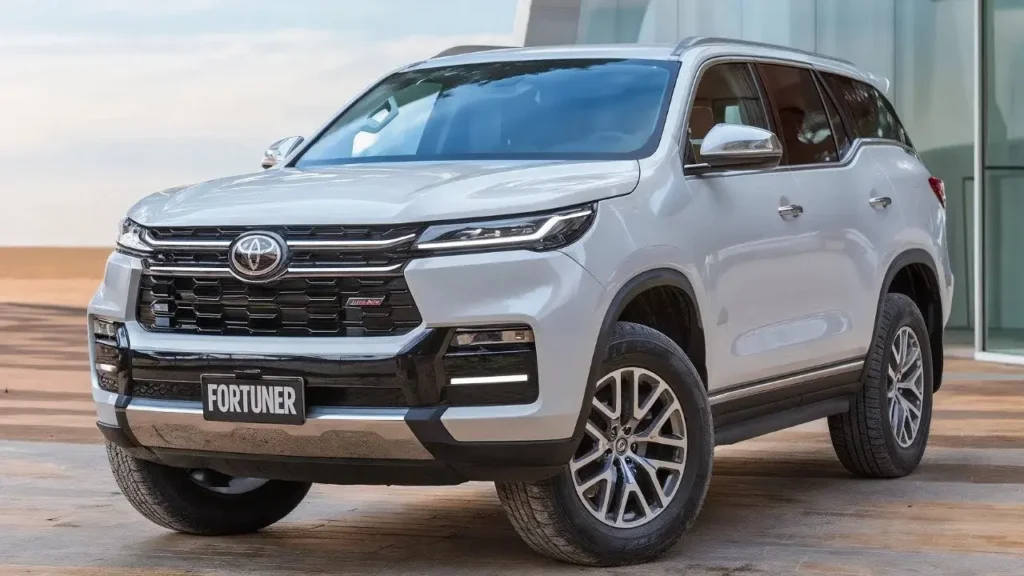
As Legendary Toyota Fortuner 2026 Is also Finally Going to be Hybrid. So there is high potential in Hybrid and EV cars.
Final Verdict: A Historic Moment in the Making
India’s car industry is closer than ever to achieving an all-time record.
The target of 4.73 million passenger vehicle sales in FY2026 is ambitious but achievable.
However, everything depends on Q4 performance.
The next three months will determine:
- Whether the industry celebrates history
- Or reflects on a missed opportunity
Growth is possible.
Momentum exists.
Demand fundamentals are intact.
But execution in Q4 will decide the final outcome.
India’s auto industry is standing at the edge of a record.
Now it must accelerate — at the right moment. You can also see the price increment/ decrement in the automobile industry to know the growth of the industry