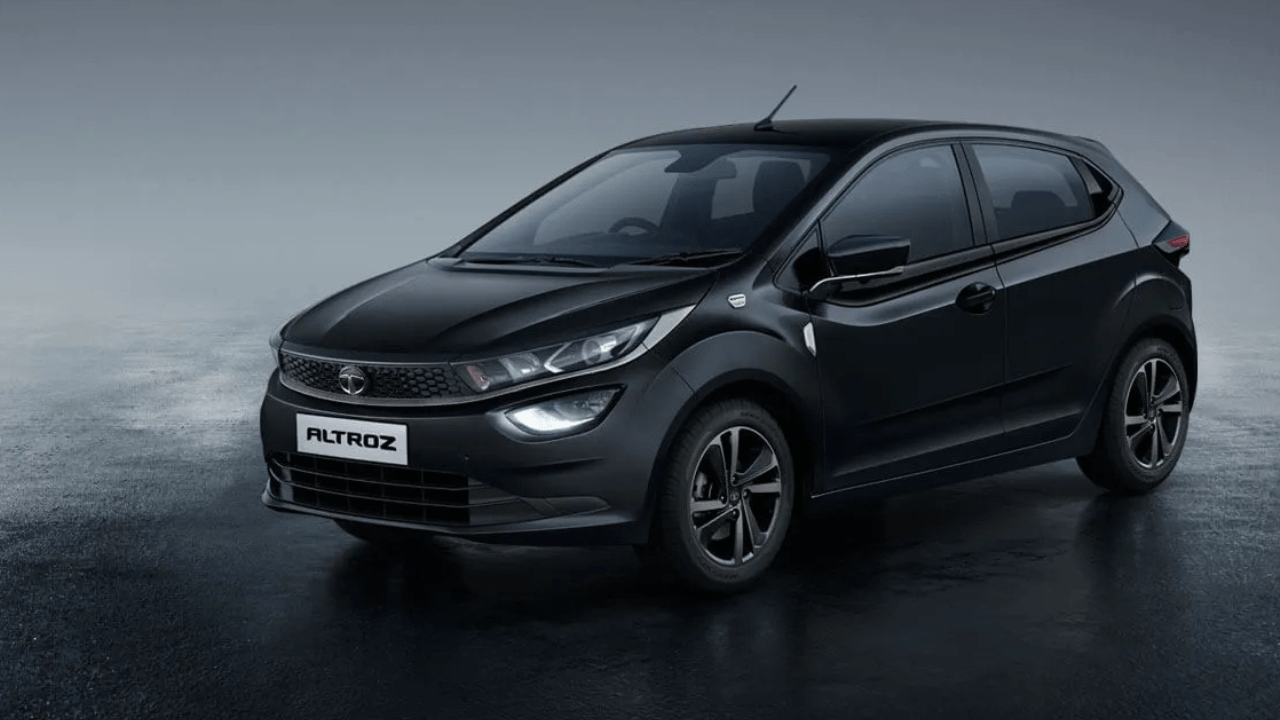
For years, the Tata Altroz EV has felt like India’s biggest “almost-ready” electric car. First showcased back in 2020, it promised to bring electric mobility to the premium hatchback segment — a space dominated by petrol and diesel loyalists.
But delays happened. Engineering challenges piled up. Rivals arrived.
Now, in early to mid-2026, the Altroz EV is finally shaping up to be worth the wait.
With a new EV-native platform (acti.ev), multiple battery options, modern tech, and Tata’s EV credibility, the Altroz EV could become the most practical electric car for urban India.
So what changed? And why does the Altroz EV matter more now than ever?
Let’s break it down.
Why the Tata Altroz EV Was Delayed — and Why That’s a Good Thing
The original Altroz EV was based on Tata’s ALFA architecture, which was never designed for large battery packs.
Key Challenges Faced
- Battery packaging compromised cabin space
- Ground clearance issues
- Flat floor not possible
- Structural limitations
Instead of rushing a compromised product, Tata Motors made a crucial decision:
- Shift the Altroz EV to the newer acti.ev platform
This same platform already underpins the Punch EV, proving its real-world viability.
Sometimes, delays create better cars — and the Altroz EV is a textbook example.
New Platform: acti.ev Changes Everything
The move to acti.ev architecture is the single most important upgrade for the Altroz EV.
What acti.ev Brings
- Flat floor design
- Better battery integration
- Stronger structural rigidity
- Optimized weight distribution
- Maintained 165mm ground clearance
This means the Altroz EV will finally feel like a proper electric car, not a petrol car adapted for batteries.
Battery, Range & Charging: Right-Sized for Indian Usage
Unlike large SUVs, the Altroz EV targets urban and semi-urban buyers — and Tata seems to be sizing the battery accordingly.
Expected Battery Options
- 25 kWh battery
- 35 kWh battery
Estimated Range (ARAI)
- 315 km (25 kWh)
- 421 km (35 kWh)
Real-World Range Expectation of the car
- City driving: 260–350 km
- Mixed usage: 230–300 km
That’s more than enough for:
- Daily commutes
- Weekly city usage
- Occasional highway trips
Fast charging support similar to Punch EV is expected, making the Altroz EV a no-stress daily EV.
Performance: Smooth, Silent & Surprisingly Quick
Electric hatchbacks don’t need massive horsepower — they need instant torque and smooth delivery.
Expected Power Output
- 82 hp (smaller battery)
- Up to 122 hp (larger battery)
Thanks to electric torque:
- Quick city acceleration
- Easy overtakes
- Silent operation
This will make the Altroz EV feel more responsive than most petrol hatchbacks, especially in traffic.
Design: Familiar Yet Clearly Electric
Tata won’t reinvent the Altroz — and that’s a good thing.
Exterior Highlights
- Closed-off EV-specific front grille
- Aerodynamic alloy wheels
- Teal Blue EV accents
- Cleaner bumpers
- EV badges & blue highlights
The Altroz EV will retain its premium hatchback stance, while clearly signaling its electric identity.
Interior & Technology: Where the Altroz EV Levels Up
The cabin is where Tata is expected to make big gains.
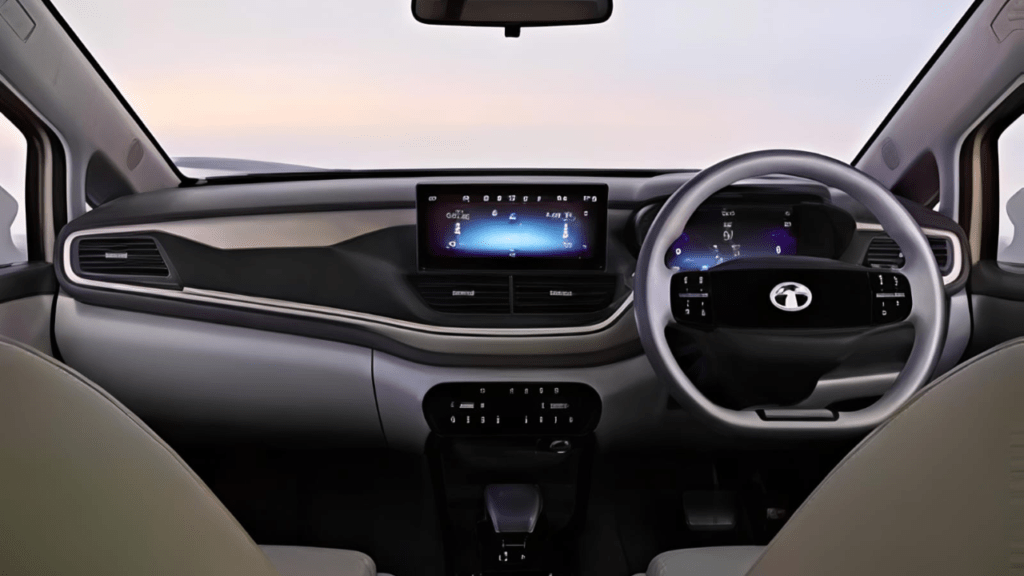
Expected Interior Features
- 10.25-inch or 12.3-inch touchscreen
- Fully digital instrument cluster
- Wireless Android Auto & Apple CarPlay
- Touch-based climate controls
Premium Additions (Higher Trims)
- 360-degree camera
- Ambient lighting
- Improved upholstery
- Flat floor rear seating comfort
The goal is clear:
- Make the Altroz EV feel more premium than petrol rivals.
Safety: Tata’s Biggest Strength Continues
Tata has built its reputation on safety — and the Altroz EV will carry that forward.
Expected Safety Package
- 6 airbags (higher variants)
- Electronic Stability Control
- Traction control
- 360-degree camera
- Strong crash structure
Given the Altroz’s existing safety credentials, a strong Bharat NCAP rating is expected.
Positioning: Perfectly Placed in Tata’s EV Lineup
Tata’s EV portfolio is expanding rapidly — and the Altroz EV fits neatly in the middle.
Lineup Placement
- Above Tiago EV
- Below Nexon EV
- More premium than Punch EV in styling
Target Buyer
- Urban professionals
- First-time EV buyers
- Premium hatchback users upgrading from petrol
This is the segment where EV adoption can explode.
Pricing Expectations: The Deciding Factor
Price will make or break the Altroz EV.
Expected Tata Altroz Price Range
- ₹12 lakh – ₹15 lakh (ex-showroom)
At this price:
- Competitive vs petrol premium hatchbacks
- Cheaper to run long-term
- Strong value with Tata’s EV ecosystem
If Tata prices it aggressively, the Altroz EV could become India’s default electric hatchback.
Competition & Market Context
The Altroz EV enters a market that has matured since its delay.
Key Rivals
- Citroën eC3
- Upcoming compact EV hatchbacks
But Tata holds advantages:
- Proven EV reliability
- Wide service network
- Better range & features
- Strong resale confidence
The delay allowed competitors to enter — but Tata still holds the trust advantage.
Launch Timeline: When Is It Coming?
Expected Launch
- Mid-2026 (around August)
- Some reports suggest early 2027
Given Tata’s recent EV cadence, a 2026 launch looks likely.
My Opinion:
One of the biggest highlights of the Altroz is its build quality and safety reputation. Developed by Tata Motors, the car gained recognition after securing a 5-star safety rating in Global NCAP, which makes it one of the safest hatchbacks in India. For buyers who prioritize safety for family use, this is a major advantage.
Inside the cabin, the Tata Motors offers a spacious and comfortable experience with good legroom, a clean dashboard layout, and useful technology features like a touchscreen infotainment system and connected car capabilities. The ride quality is also smooth, making it suitable for both city commuting and occasional highway drives.
Overall, the car feels like a well-rounded car that delivers style, safety, and practicality in a single package, making it a smart choice for modern Indian car buyers.
Final Verdict: Was the Wait Worth It?
These Tata EV is no longer a “concept promise” — it’s becoming a well-thought-out electric hatchback designed for real Indian conditions.
With:
- A modern EV platform
- Practical range
- Premium cabin tech
- Trusted safety
- Sensible pricing (expected)
These Best EV Car could finally prove that EVs don’t have to be SUVs to succeed in India.
For many buyers, this might be the most logical electric car yet.
If you love the car provide your details here to get assistant and also to book test drive of car.
Also Read: